
Vitiligo has a way of catching people off guard. One day, your skin looks the same as always, and the next, you notice a patch that seems to have quietly lost its colour. Naturally, questions start popping up: Why did this happen? Can the colour come back? Is there actually a treatment that works?
This is where modern dermatology steps in. Many people exploring treatment options for vitiligo are now hearing about something called excimer laser therapy. Sounds technical, right? But the idea behind it is surprisingly simple — help your skin remember how to make pigment again.
Dr Priyanka Aggarwal, a specialist provides comprehensive vitiligo consultation in Kolkata for excimer laser treatment, to ensure successful outcomes.
Understanding Vitiligo and Loss of Skin Pigment
Think of your skin colour as a carefully managed paint system. The painters are tiny cells called melanocytes. Their job is to produce melanin, the pigment that gives your skin its colour.
In vitiligo, these melanocytes either stop working properly or disappear from certain areas. When that happens, the skin loses its pigment, leaving behind white or lighter patches. Scientists believe this occurs mainly due to autoimmune reactions, in which the body mistakenly targets its own pigment cells.
These patches can appear on the face, hands, arms, or around the lips and eyes. Sometimes they remain stable. Sometimes they spread. And this unpredictability is exactly why many people seek expert advice early.
What Is Excimer Laser Treatment for Vitiligo

Now let’s talk about the treatment everyone is curious about — excimer laser therapy.
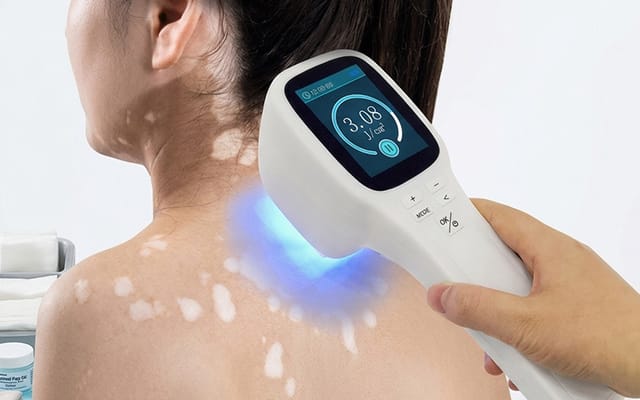
This treatment uses a very specific wavelength of ultraviolet light (308 nm) to target vitiligo patches. Unlike traditional phototherapy that exposes large areas of skin to UV light, the excimer laser focuses only on the depigmented spots.
Imagine shining a very precise spotlight only on the area that needs help. That’s essentially how targeted UV light therapy for vitiligo works.
During a proper vitiligo consultation, dermatologists evaluate the patches, their stability, and their location before recommending excimer laser therapy.
How Excimer Laser Stimulates Pigment Recovery
Excimer laser nudges the skin’s pigment system back into action. The targeted UV light stimulates melanocytes that may still be present in the skin or around hair follicles. Once activated, these cells resume melanin production.
Patients often notice the first signs of recovery as tiny brown dots appearing inside the white patch. Over time, these dots grow and slowly blend with the surrounding skin.
It’s not instant. It’s more gradual, steady, and encouraging.
Who Is an Ideal Candidate for Excimer Laser Treatment
Excimer laser works best for certain types of vitiligo.
Dermatologists usually recommend it for people who have:
- Localised vitiligo patches
- Stable vitiligo, where patches are not rapidly spreading
- Patches on areas like the face, neck, or torso
Hands, feet, and fingertips can be more stubborn areas because melanocytes are less active there.
What Happens During an Excimer Laser Treatment Session
If you’re picturing a complicated or painful procedure, relax. The treatment is actually quite straightforward.
First, the dermatologist examines the patches and determines the correct UV dosage. The excimer laser device then delivers short bursts of UV light directly onto the depigmented areas.
The session usually takes just a few minutes.
Most patients need two to three sessions per week. Over time, the dermatologist adjusts the treatment intensity based on how the skin responds.
Expected Results and Timeline of Repigmentation

Repigmentation takes time, and patience is part of the process.
The earliest signs often appear as small pigmented spots inside the patch. Gradually, these spots expand and merge with the surrounding skin.
Visible improvement may start within a few weeks, but full results can take several months, depending on factors such as:
- Location of the patch
- Duration of vitiligo
- Stability of the condition
- Individual skin response
This is why dermatologists always set realistic expectations before starting treatment.
Benefits of Excimer Laser Compared to Traditional Phototherapy
The excimer laser has become popular because of one major advantage — precision.
Traditional phototherapy treats large areas of the skin, even healthy skin that doesn’t need treatment. The excimer laser focuses only on the vitiligo patches.
That means:
- Healthy skin receives minimal UV exposure
- Treatment sessions are shorter
- Therapy can be more controlled and targeted
For patients with smaller patches, this approach can be especially helpful.
Possible Side Effects and Safety Considerations
When performed under medical supervision, excimer laser therapy is generally safe.
Some people may experience mild redness, slight irritation, or temporary sensitivity in the treated area. These effects usually settle quickly.
The most important rule? Always undergo treatment under expert dermatological care. Proper evaluation and dosing are essential for safe and effective results.
Excimer Laser Treatment for Vitiligo
Vitiligo treatment is rarely a one-size-fits-all process. Two patients may have similar patches but completely different responses to therapy.
Experienced dermatologists carefully evaluate the condition, assess stability, and design personalised treatment plans. This is why expert guidance plays such a big role in achieving successful outcomes.
A detailed vitiligo consultation in Kolkata under Dr Priyanka Aggarwal helps determine whether excimer laser therapy is the right approach or whether other treatments should be considered.
Is Excimer Laser an Effective Option for Vitiligo Treatment
Excimer laser therapy has added a powerful new tool to the treatment of vitiligo. By delivering targeted UV light, it helps activate pigment cells and encourages gradual skin repigmentation.
While it isn’t an overnight solution, it offers a focused and scientifically backed approach for patients with suitable vitiligo patches.
If you’re curious whether this treatment could work for your skin, the best first step is a professional vitiligo consultation in Kolkata with Dr Priyanka Aggarwal to explore the most appropriate treatment plan.
Schedule a consultation today.
People Also Ask
- Can an excimer laser completely cure vitiligo?
An excimer laser can help restore pigment in certain vitiligo patches by stimulating melanocytes.
However, vitiligo is a chronic condition, so treatment focuses on repigmentation and control rather than a permanent cure.
- How many sessions are required for visible results?
Most patients begin to notice early signs of pigment return after several sessions. The total number of treatments varies depending on the patch location, size, and individual skin response.
- Is excimer laser painful?
Excimer laser treatment is generally painless and well-tolerated by most patients. Some people may feel mild warmth or slight redness in the treated area for a short time.
- Can vitiligo return after laser treatment?
Repigmented areas can remain stable for a long time with proper care. However, vitiligo may sometimes recur, which is why regular follow-ups with a dermatologist are important.
- Is excimer laser safe for vitiligo treatment?
Yes, the excimer laser is considered safe when performed under dermatological supervision. The treatment uses controlled UV light targeted only at vitiligo patches.
- How long does an excimer laser session take?
Most sessions are quick and usually take just a few minutes. The exact duration depends on the number and size of vitiligo patches being treated.
- Which areas of the body respond best to excimer laser?
Areas like the face, neck, and trunk often respond better to treatment. Hands, feet, and fingertips may take longer to show repigmentation.
- Can children undergo excimer laser treatment for vitiligo?
Yes, in certain cases, dermatologists may recommend it for children with localised vitiligo. The treatment plan is carefully adjusted based on the child’s age and skin condition.